The Living Legacy of Zimbabwe's Totems: Keith Zenda's Journey into Ancestral Identity
Long before the modern nation of Zimbabwe came into being, the people of the land were united by something far older than borders or governments. They were connected through their mutupo—their ancestral totem.
For centuries, the mutupo has been one of the foundations of Zimbabwean society. It represents ancestry, kinship, identity, respect, and shared heritage. Passed down through generations, it reminds people not only where they come from, but also the values that bind communities together.
Today, Zimbabwean contemporary artist Keith Zenda is bringing this remarkable cultural tradition to an international audience through an ongoing series of paintings dedicated to Zimbabwe's totems. His vision is not simply to illustrate animals, but to tell the stories behind them and preserve a living heritage for future generations.
His work is particularly aimed at Zimbabweans and Africans living abroad. For many members of the African diaspora, especially younger generations born outside Zimbabwe, knowledge of traditional culture can gradually fade. Through art, Keith hopes to reconnect people with their ancestral identity and encourage pride in one of Africa's richest cultural traditions.
The four paintings presented in this first introduction represent only the beginning of a much larger project. Many more works exploring Zimbabwe's diverse Mitupo will follow in the years ahead.
For centuries, the mutupo has been one of the foundations of Zimbabwean society. It represents ancestry, kinship, identity, respect, and shared heritage. Passed down through generations, it reminds people not only where they come from, but also the values that bind communities together.
Today, Zimbabwean contemporary artist Keith Zenda is bringing this remarkable cultural tradition to an international audience through an ongoing series of paintings dedicated to Zimbabwe's totems. His vision is not simply to illustrate animals, but to tell the stories behind them and preserve a living heritage for future generations.
His work is particularly aimed at Zimbabweans and Africans living abroad. For many members of the African diaspora, especially younger generations born outside Zimbabwe, knowledge of traditional culture can gradually fade. Through art, Keith hopes to reconnect people with their ancestral identity and encourage pride in one of Africa's richest cultural traditions.
The four paintings presented in this first introduction represent only the beginning of a much larger project. Many more works exploring Zimbabwe's diverse Mitupo will follow in the years ahead.
What is a Mutupo?
The Shona word Mutupo (plural Mitupo) refers to an ancestral clan totem inherited through one's paternal lineage.
Unlike a surname, a mutupo identifies a person's wider ancestral clan. Many different families may belong to the same mutupo, sharing traditions, praise poetry (madetembedzo), history, and responsibilities passed down over countless generations.
Unlike heraldic family crests found in Europe, Zimbabwe's totems remain living cultural identities. They continue to play an important role in traditional ceremonies, family relationships, and the preservation of ancestral history. Even today, introductions during important cultural gatherings frequently include a person's mutupo before discussing family background or occupation.
Each mutupo teaches particular values while reminding people that they belong to something much greater than themselves.
Unlike a surname, a mutupo identifies a person's wider ancestral clan. Many different families may belong to the same mutupo, sharing traditions, praise poetry (madetembedzo), history, and responsibilities passed down over countless generations.
Unlike heraldic family crests found in Europe, Zimbabwe's totems remain living cultural identities. They continue to play an important role in traditional ceremonies, family relationships, and the preservation of ancestral history. Even today, introductions during important cultural gatherings frequently include a person's mutupo before discussing family background or occupation.
Each mutupo teaches particular values while reminding people that they belong to something much greater than themselves.
Preserving Heritage Through Contemporary Art
Keith Zenda believes that art should preserve memory as much as it creates beauty.
Over several years he has developed an evolving series of paintings exploring Zimbabwe's ancestral totems through a contemporary visual language that combines realism, symbolism, layered textures, abstraction, and portraiture.
Rather than depicting animals alone, Keith combines every totem with the image of an African woman.
For Keith, women represent continuity. They are the guardians of family, the first teachers of language and tradition, and those who carry culture from one generation to the next. The women in these paintings symbolize the living connection between ancestors, present generations, and those yet to come.
One element appears throughout every painting: the ancestral footprints.
For Keith, these footprints are far more than decorative marks. They symbolize the footsteps of those who walked before us—the wisdom, traditions, and experiences inherited from our ancestors. At the same time, they continue forward beyond the figures themselves, representing the journey each of us takes through life and the legacy we leave for future generations. Every footprint reminds us that while we inherit a path, we also create one for those who will follow.
Over several years he has developed an evolving series of paintings exploring Zimbabwe's ancestral totems through a contemporary visual language that combines realism, symbolism, layered textures, abstraction, and portraiture.
Rather than depicting animals alone, Keith combines every totem with the image of an African woman.
For Keith, women represent continuity. They are the guardians of family, the first teachers of language and tradition, and those who carry culture from one generation to the next. The women in these paintings symbolize the living connection between ancestors, present generations, and those yet to come.
One element appears throughout every painting: the ancestral footprints.
For Keith, these footprints are far more than decorative marks. They symbolize the footsteps of those who walked before us—the wisdom, traditions, and experiences inherited from our ancestors. At the same time, they continue forward beyond the figures themselves, representing the journey each of us takes through life and the legacy we leave for future generations. Every footprint reminds us that while we inherit a path, we also create one for those who will follow.
Kupira – The Mbizi (Zebra) Totem
Keith Zenda chose to name his Zebra Totem painting Kupira, a Shona word meaning "to offer" or "to dedicate." Within Zimbabwean tradition, kupira often refers to acts of reverence shown to ancestors, acknowledging the enduring relationship between the living and those who came before them.
The title transforms the painting into an offering to Zimbabwe's cultural heritage itself. It reminds us that traditions survive only when each generation chooses to preserve and honour them.
The Mbizi (Zebra) symbolizes harmony, balance, cooperation, and peaceful coexistence. Living together in closely connected herds, zebras survive through unity rather than domination. Their distinctive stripes remind us that every individual is unique while remaining part of a larger community.
The African woman emerging from the zebra represents the living connection between ancestry and the future, while the traditional pottery she carries symbolizes the preservation of cultural memory. The ancestral footprints surrounding her remind us that she walks in the footsteps of those before her while creating a path for generations still to come.
The title transforms the painting into an offering to Zimbabwe's cultural heritage itself. It reminds us that traditions survive only when each generation chooses to preserve and honour them.
The Mbizi (Zebra) symbolizes harmony, balance, cooperation, and peaceful coexistence. Living together in closely connected herds, zebras survive through unity rather than domination. Their distinctive stripes remind us that every individual is unique while remaining part of a larger community.
The African woman emerging from the zebra represents the living connection between ancestry and the future, while the traditional pottery she carries symbolizes the preservation of cultural memory. The ancestral footprints surrounding her remind us that she walks in the footsteps of those before her while creating a path for generations still to come.
Matare – Where Mbizi and Shumba Meet
Keith named the second painting Matare, bringing together two powerful totems in a single composition—the Mbizi (Zebra) and the Shumba (Lion).
The title suggests gathering, dialogue, and coming together. Just as different clans have historically met to resolve matters through wisdom and mutual respect, Keith brings two respected totems into one visual conversation.
The Shumba represents courage, leadership, protection, dignity, and responsibility. Beside it, the peaceful Mbizi symbolizes cooperation and harmony.
Rather than portraying conflict, Keith presents both animals as complementary forces. Together they show us that true leadership is guided not by power alone, but by wisdom, unity, mutual respect, and the strength of family and community.
Once again, the ancestral footprints flow across the composition, connecting both totems. They remind us that although every clan follows its own history, all journeys ultimately become part of Zimbabwe's shared story.
The title suggests gathering, dialogue, and coming together. Just as different clans have historically met to resolve matters through wisdom and mutual respect, Keith brings two respected totems into one visual conversation.
The Shumba represents courage, leadership, protection, dignity, and responsibility. Beside it, the peaceful Mbizi symbolizes cooperation and harmony.
Rather than portraying conflict, Keith presents both animals as complementary forces. Together they show us that true leadership is guided not by power alone, but by wisdom, unity, mutual respect, and the strength of family and community.
Once again, the ancestral footprints flow across the composition, connecting both totems. They remind us that although every clan follows its own history, all journeys ultimately become part of Zimbabwe's shared story.
MaNdlovu – The Nzou (Elephant) Totem
For his Elephant (Nzou) Totem, Keith chose the title MaNdlovu.
Across Southern Africa, MaNdlovu is a respectful praise name associated with the elephant and carries connotations of honour, dignity, and greatness. The title elevates the elephant beyond its physical presence, celebrating the qualities it has represented for generations.
The Nzou symbolizes wisdom, memory, patience, endurance, and respect for elders.
Keith combines these values with the quiet strength of an African woman, celebrating the role women play as keepers of family knowledge and cultural continuity.
The footprints surrounding the figure reinforce the elephant's own symbolic journey. Just as elephants remember ancient migration routes, the ancestral footprints remind us that our greatest wisdom often comes from remembering the paths travelled before us while continuing forward with purpose.
Across Southern Africa, MaNdlovu is a respectful praise name associated with the elephant and carries connotations of honour, dignity, and greatness. The title elevates the elephant beyond its physical presence, celebrating the qualities it has represented for generations.
The Nzou symbolizes wisdom, memory, patience, endurance, and respect for elders.
Keith combines these values with the quiet strength of an African woman, celebrating the role women play as keepers of family knowledge and cultural continuity.
The footprints surrounding the figure reinforce the elephant's own symbolic journey. Just as elephants remember ancient migration routes, the ancestral footprints remind us that our greatest wisdom often comes from remembering the paths travelled before us while continuing forward with purpose.
Mutupo – Sokostina
Keith concludes this part of the series with the Monkey Totem, naming the painting simply Mutupo—placing the emphasis not only on the Soko clan but on the wider importance of Zimbabwe's entire totem tradition.
The Soko (Monkey) symbolizes intelligence, adaptability, curiosity, cooperation, and strong family bonds. These qualities have long made it one of Zimbabwe's most respected totems.
Keith also introduces a contemporary expression that reflects his own artistic vision. While men belonging to this totem are traditionally referred to as Soko, Keith affectionately refers to the woman in the painting as Sokostina—his modern feminine tribute celebrating women as bearers of cultural identity, wisdom, and family continuity.
The ancestral footprints surrounding her remind us that every journey begins with those who came before us but continues through the choices we make today. The painting celebrates not only intelligence and adaptability, but also the responsibility each generation carries to preserve its heritage while creating new paths for the future.
The Soko (Monkey) symbolizes intelligence, adaptability, curiosity, cooperation, and strong family bonds. These qualities have long made it one of Zimbabwe's most respected totems.
Keith also introduces a contemporary expression that reflects his own artistic vision. While men belonging to this totem are traditionally referred to as Soko, Keith affectionately refers to the woman in the painting as Sokostina—his modern feminine tribute celebrating women as bearers of cultural identity, wisdom, and family continuity.
The ancestral footprints surrounding her remind us that every journey begins with those who came before us but continues through the choices we make today. The painting celebrates not only intelligence and adaptability, but also the responsibility each generation carries to preserve its heritage while creating new paths for the future.
Mbuya Nehanda and the Spirit of Unity
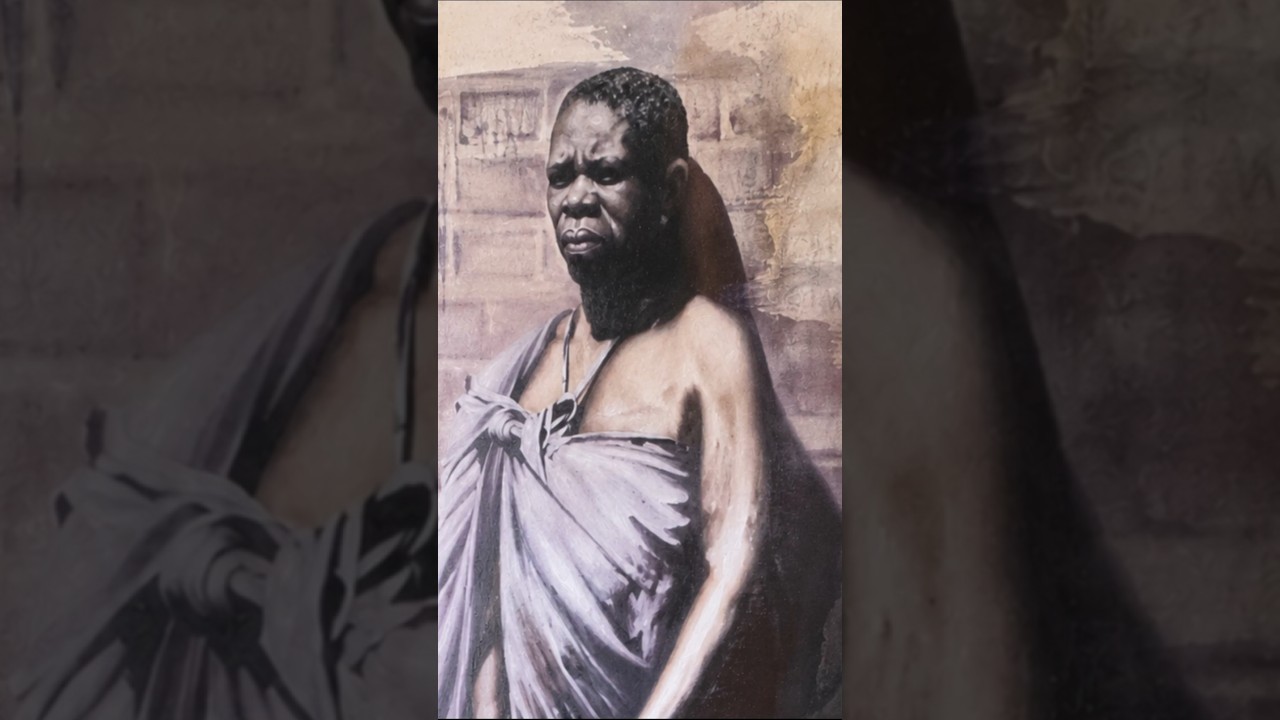
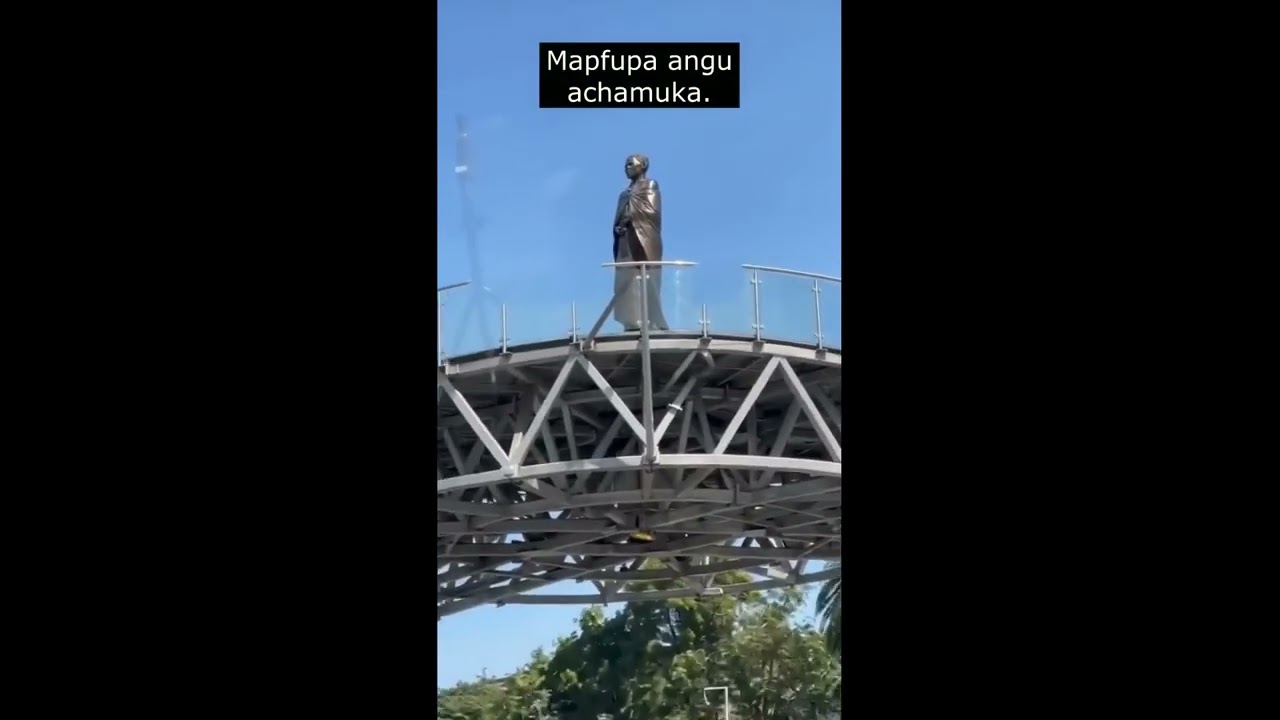
No discussion of Zimbabwe's cultural heritage would be complete without remembering Mbuya Nehanda Charwe Nyakasikana, the revered spirit medium whose leadership became one of the defining forces behind the First Chimurenga of 1896–1897.
At that time, Zimbabwe's people belonged to many different clans and carried many different Mitupo. Each clan maintained its own traditions, history, and identity. Mbuya Nehanda understood that while these identities were important, the people shared something even greater. Rather than allowing differences between clans to divide them, she appealed to values respected across all Mitupo—shared ancestry, mutual respect, responsibility, courage, unity, and the determination to protect their land and way of life. Her leadership demonstrated that although people belonged to different totems, they ultimately belonged to one nation.
Today she remains one of Zimbabwe's enduring symbols of resilience, cultural identity, and national unity.
At that time, Zimbabwe's people belonged to many different clans and carried many different Mitupo. Each clan maintained its own traditions, history, and identity. Mbuya Nehanda understood that while these identities were important, the people shared something even greater. Rather than allowing differences between clans to divide them, she appealed to values respected across all Mitupo—shared ancestry, mutual respect, responsibility, courage, unity, and the determination to protect their land and way of life. Her leadership demonstrated that although people belonged to different totems, they ultimately belonged to one nation.
Today she remains one of Zimbabwe's enduring symbols of resilience, cultural identity, and national unity.
Keith Zenda's Totem Series reflects that same philosophy. His paintings celebrate the uniqueness of every mutupo while reminding us that together they form the rich cultural tapestry of Zimbabwe. Like the footprints that travel across every canvas, our individual journeys may begin in different places, yet they ultimately become part of one shared human story.
Reconnecting the African Diaspora
One of Keith's greatest hopes is that these paintings will become bridges between generations.
Millions of Zimbabweans and Africans now live outside their ancestral homeland. Many younger people know little about the traditions, stories, and values that shaped their families.
Through this series, Keith invites viewers to ask important questions.
Millions of Zimbabweans and Africans now live outside their ancestral homeland. Many younger people know little about the traditions, stories, and values that shaped their families.
Through this series, Keith invites viewers to ask important questions.
What is my mutupo?
What values did my ancestors pass from one generation to the next?
How can I preserve those traditions for my own children?
What values did my ancestors pass from one generation to the next?
How can I preserve those traditions for my own children?
The paintings become more than works of art.
They become conversations about identity, belonging, memory, and cultural pride.
A Continuing Journey
The four paintings presented here—Kupira, Matare, MaNdlovu, and Mutupo (Sokostina)—are only the opening chapter in Keith Zenda's continuing exploration of Zimbabwe's ancestral heritage.
Many additional paintings representing other Mitupo will be unveiled over time, gradually creating one of the most comprehensive contemporary artistic interpretations of Zimbabwe's totem tradition.
Each painting will tell another story.
Each will preserve another piece of living history.
Each will invite new audiences to discover the remarkable cultural heritage of Zimbabwe.
The footprints woven throughout every canvas quietly guide the viewer from one painting to the next. They remind us that every generation inherits a path from those who came before, yet every generation also leaves its own footprints for those who will follow.
In Keith Zenda's hands, Zimbabwe's ancient totems become far more than symbols of the past.
They become living stories of identity, family, resilience, wisdom, and hope—stories that continue to unite people across generations, continents, and cultures.
Many additional paintings representing other Mitupo will be unveiled over time, gradually creating one of the most comprehensive contemporary artistic interpretations of Zimbabwe's totem tradition.
Each painting will tell another story.
Each will preserve another piece of living history.
Each will invite new audiences to discover the remarkable cultural heritage of Zimbabwe.
The footprints woven throughout every canvas quietly guide the viewer from one painting to the next. They remind us that every generation inherits a path from those who came before, yet every generation also leaves its own footprints for those who will follow.
In Keith Zenda's hands, Zimbabwe's ancient totems become far more than symbols of the past.
They become living stories of identity, family, resilience, wisdom, and hope—stories that continue to unite people across generations, continents, and cultures.
Enjoy 2 Short videos on Youtube below as well as a longer Podcast
Mbuya Nehanda Video 1:46 Minutes

Video can’t be displayed
Mbuya Nehanda Podcast 8:30 Minutes

Video can’t be displayed
Rediscover Zimbabwe's totems 1:45 Minutes

Video can’t be displayed